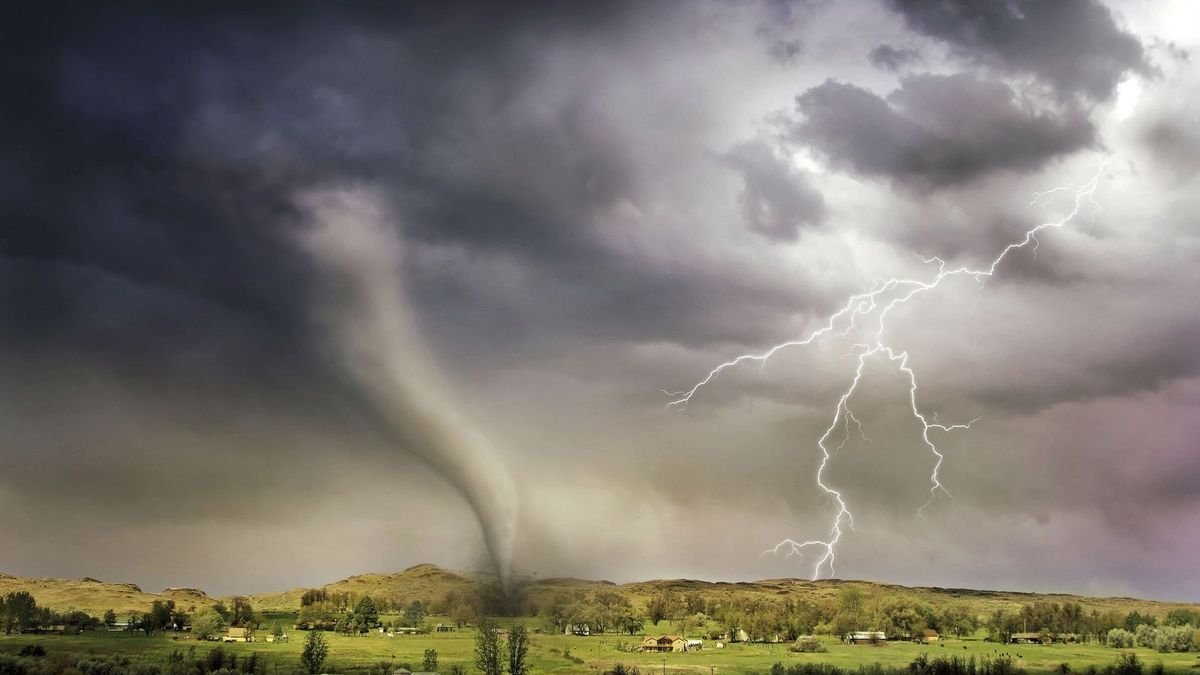
Tornadoes can form fast, and a warning may give you only minutes. The good news: most of tornado safety is deciding where you’ll go before the storm, and having a way to hear the warning. You can do both today.
This guide follows the National Weather Service, Ready.gov, and the CDC.
The Short Version
Buy this:
- A NOAA Weather Radio with a tone alert, plus spare batteries
- A flashlight or headlamp for your shelter spot
- A whistle to signal for help
- Sturdy shoes and work gloves, kept where you’ll shelter
- At least 3 days of water, food, and medicine for everyone, including pets
Do this today:
- Learn how your community sends warnings (sirens, phone alerts, local media) and sign up for its alert system.
- Pick your shelter spot: a basement, storm cellar, safe room, or a small interior room with no windows on the lowest floor.
- If you live in a mobile home or a home without a basement, pick a nearby sturdy building you can reach quickly, such as a friend’s home.
- Learn how and when to shut off your gas, electricity, and water.
- Practice going to your shelter spot with the whole family, pets included.
Watch vs. Warning
From the National Weather Service:
| What it means | What to do | |
|---|---|---|
| Tornado Watch | Tornadoes are possible in and near the watch area. | Get ready. Charge your phone, check your shelter spot, and keep your radio on. |
| Tornado Warning | A tornado has been sighted or indicated by weather radar. | Take shelter now. |
Ready.gov lists these warning signs: a rotating, funnel-shaped cloud, an approaching cloud of debris, or a loud roar like a freight train. If you see or hear them, take cover even without a warning.
What to Buy
NOAA Weather Radio
Brings official warnings into your home. Look for one with a tone alert, set it up as the manual explains, and test it.
⚠ Affiliate link — we earn a small commission at no extra cost to you.
LED Headlamp
Keeps your hands free if the power goes out while you shelter. Store it in your shelter spot and check the batteries a couple of times a year.
⚠ Affiliate link — we earn a small commission at no extra cost to you.
Emergency Whistle
Lets you signal for help if you're trapped. Keep one in your shelter spot and one in each go-bag.
⚠ Affiliate link — we earn a small commission at no extra cost to you.
Work Gloves
Protect your hands from broken glass and nails during cleanup. Pick a pair that fits, and keep them with a pair of sturdy shoes.
⚠ Affiliate link — we earn a small commission at no extra cost to you.
Keep a small bin in your shelter spot with these items, water, and a copy of your household emergency plan.
Where to Shelter
- House: go to your basement, safe room, or a small interior room on the lowest floor, away from windows. Protect your head and neck with your arms, and put blankets or cushions around or over you.
- Apartment, office, or school: follow the building’s tornado plan. Go to an interior room on the lowest floor you can reach, away from windows. Avoid large open rooms like gyms and auditoriums. Ask your building manager now where the shelter area is.
- Mobile home: don’t stay. Leave early for the sturdy building you picked ahead of time.
- Car: Ready.gov says there is no safe option in a car, only less dangerous ones. Drive to the closest sturdy shelter if you can. If you’re caught by flying debris, park out of traffic, keep your seatbelt on, and get your head below the windows, or, if you can safely get lower than the road, leave the car, lie in a ditch, and cover your head.
- Outdoors: get inside a sturdy building right away. Sheds and tents are not safe.
- Never shelter under a highway overpass or bridge. Ready.gov warns it can create deadly traffic hazards.
Safe Room Basics
A safe room is a room built to FEMA’s design criteria to protect against extreme wind. Ready.gov points to a safe room built using FEMA criteria, or a storm shelter built to ICC 500 standards. If you’re thinking about adding one, use these checks:
- Talk to your local building official first. FEMA says to contact them about permits and code requirements before you buy or install.
- Ask the seller which standard it meets, and ask for the ICC 500 testing and labeling paperwork. Check that it’s meant for your type of use and location.
- Use licensed professionals. FEMA recommends involving a licensed design professional, and says products must be installed properly for their intended use.
- Don’t count on a “FEMA-approved” label. FEMA says it does not endorse or certify contractors or products.
- Renting or in an HOA? Get written permission from your landlord or HOA before any construction.
- Ask about grants. FEMA says to check with your county or state emergency management agency.
No safe room? Ready.gov calls a small, interior, windowless room or basement on the lowest level of a sturdy building the next best protection. For more, see shelter basics.
After the Tornado
- Keep listening to a weather radio or local news. More storms may follow.
- Text instead of calling to reach family. Save calls for emergencies.
- Stay away from downed power lines and report them to local authorities.
- If you smell gas, leave the building right away and call for help from outside. Don’t turn on lights, light matches, or do anything that could make a spark (CDC).
- Stay out of damaged buildings until officials or a building inspector say it’s safe.
- Wear sturdy shoes, long pants, long sleeves, and work gloves when walking through damage.
- Never run a generator indoors or in a garage. See the power outage checklist.
- Watch out for scammers offering repairs or insurance help.
- Give first aid only if you’re trained, until emergency crews arrive.
Common Mistakes
- Waiting to see the tornado before taking shelter.
- Sheltering in a mobile home or a shed.
- Relying on just one way to hear warnings. Use phone alerts and a weather radio too.
- Hiding under an overpass when caught in a car.
- Going back into a damaged home too soon.
Frequently Asked Questions
What’s the difference between a tornado watch and a tornado warning?
A watch means tornadoes are possible in and near the area, so get ready. A warning means a tornado has been seen or shown on radar, so take shelter now.
What’s the safest place in a house without a basement?
A small interior room on the lowest floor with no windows. Cover your head and neck. If you have a safe room built to FEMA criteria or ICC 500, use that.
Is it safe to stay in a mobile home during a tornado?
No. The CDC says not to stay in a mobile home during a tornado. Plan ahead to get to a nearby sturdy building quickly, and follow local officials’ advice on when to go.
Next steps: write your household emergency plan, get ready for power outages, and build a 72-hour kit.