U.S. Alert
View current severe and extreme U.S. weather alerts.NWS · Checking live feed…
Nuclear arsenals on high alert. Solar storms strong enough to strain power grids. And AI advancing faster than its builders can verify it's safe. SurvivalPrepster delivers no-nonsense preparedness guides grounded in authoritative sources — with only a slight chance of nuclear humor.
Automated official sources · For awareness only
Confirm conditions and protective actions with your local authorities before acting.
Live update pending
Why prepare at all? Because the list of things that can knock out power, supply chains, and communications is getting longer, not shorter. These are the threats this site plans around.
AI systems are gaining capability faster than we can verify what they'll do. Misuse, loss of control, or AI-accelerated conflict could hit infrastructure, information, and supply chains all at once.
Great-power tensions, arsenals on alert, and regional wars that can spread. Knowing how to get inside, stay inside, and stay tuned saves lives.
The sun periodically throws storms strong enough to strain power grids and satellites; the 1859 Carrington Event is the benchmark. High-altitude nuclear EMP is the man-made version.
Hurricanes, wildfires, floods, and ice storms are the emergencies most households will actually face. The same core kit covers every column on this board.
Brand new? Start here. One actionable guide per day — every one of these is Recruit difficulty and finishable in an afternoon.
The one-afternoon starter kit. No bunker required.
Put meeting places, contacts, routes, and household roles on one page.
Exactly what to fill, in what order, before pressure drops.
Build a household kit around your needs and training.
Keep essential lights, medical devices, and phones powered.
Comprehensive guides organized by survival priority. Start with CRITICAL categories. Your pre-war self will thank your post-war self.
Without water you're dead in 3 days. Store it, filter it, purify it. The Wasteland waits for no one.
Long-term food storage, calorie planning, and pantry strategies that work whether the outage lasts 3 days or 3 months.
From basement hardening to full bunker builds. Because your HOA won't matter post-apocalypse.
Home defense, perimeter security, and the fine art of not looking like a soft target in a hard world.
Trauma care, medication stockpiling, and the medical skills you'll wish you had when help is hours — or days — away.
Solar, generators, hand-crank radios, and Faraday cages. Stay powered and informed when the grid dies.
If a crisis started tomorrow morning, these are the guides you'd wish you'd read.
Recruit = brand new ·Survivor = ready for 2 weeks ·Bunker Dweller = ready for months ·Wasteland Veteran = long-term resilience
Start emergency preparedness today with water, food, a go-bag, communication, and protected documents tailored to your household and local hazards.
A plain-language guide to AI alignment risk: how a crisis involving advanced AI could reach your household, what prepping can and cannot do, and the steps to take now.
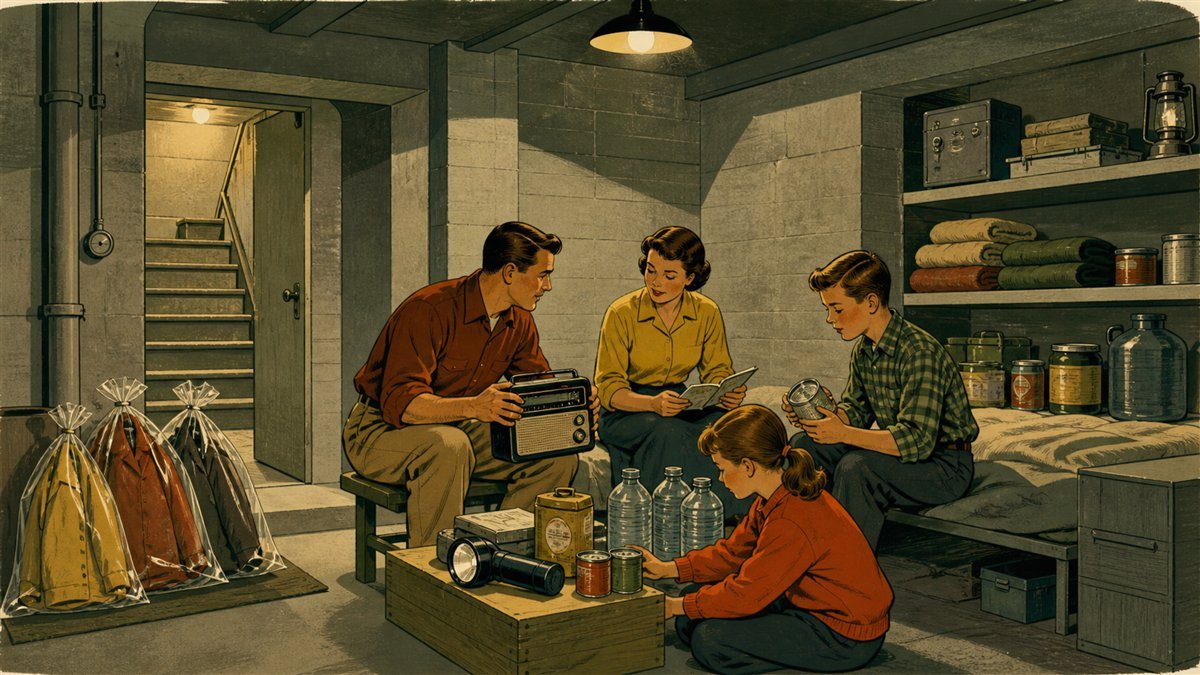
Know how to get inside, stay inside, remove fallout contamination, follow official information, and use potassium iodide only when authorities direct.
Understand EMP and geomagnetic risks, avoid misleading DIY tests, prioritize ordinary outage resilience, and evaluate shielding claims realistically.
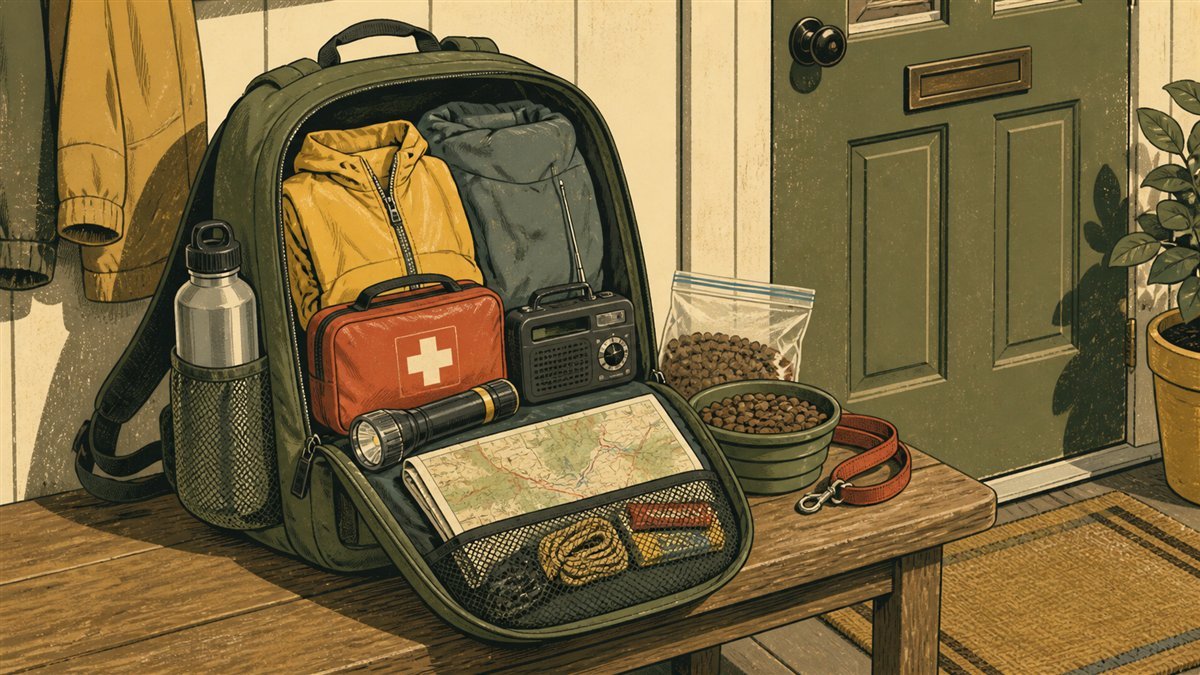
Build a practical 72-hour go-bag around your evacuation plan, climate, health, mobility, pets, documents, water, shelter, and communications.
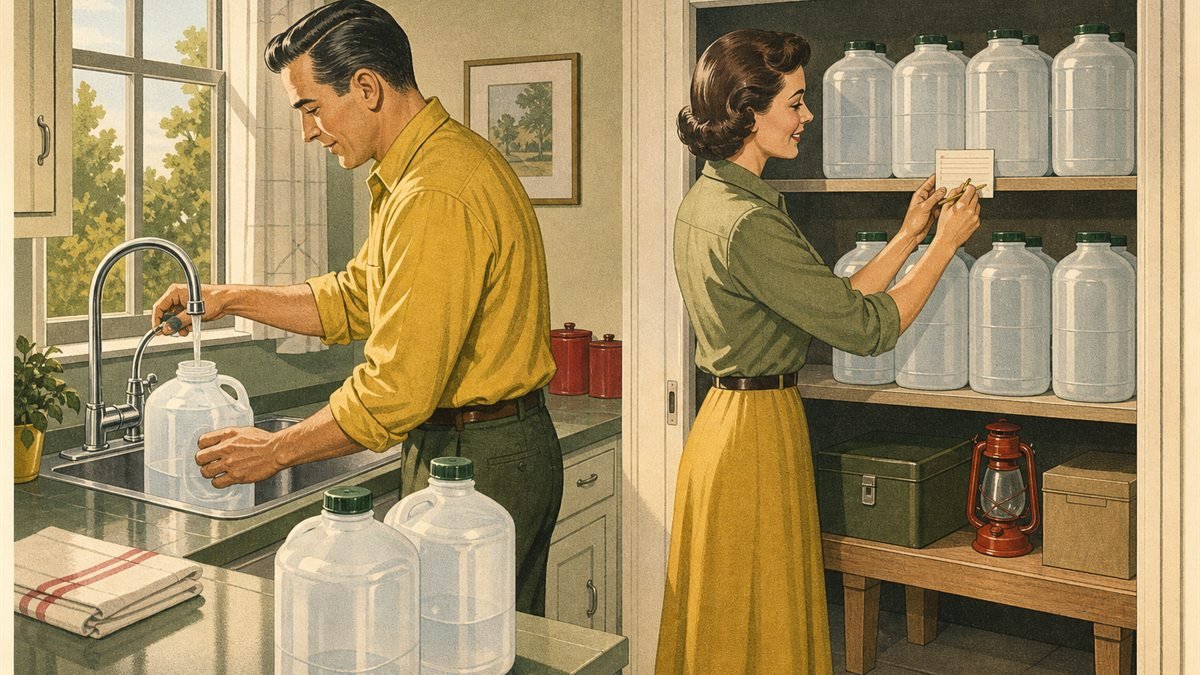
Respond safely to a water outage: follow utility alerts, capture water in sanitized containers, inventory household sources, and avoid contamination.
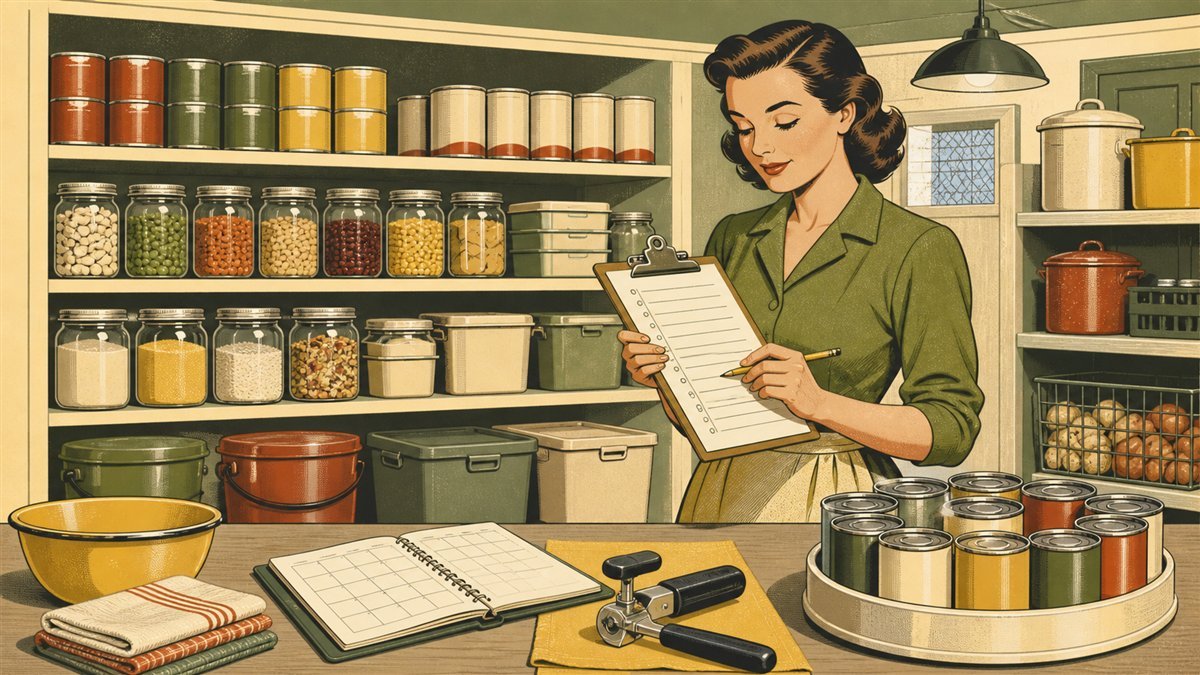
Build a rotating long-term pantry from foods your household eats, with nutrition, allergies, water, cooking fuel, storage conditions, and food safety included.
Get licensed, choose lawful amateur-radio equipment, join local nets, build a tested power and antenna plan, and communicate clearly during emergencies.
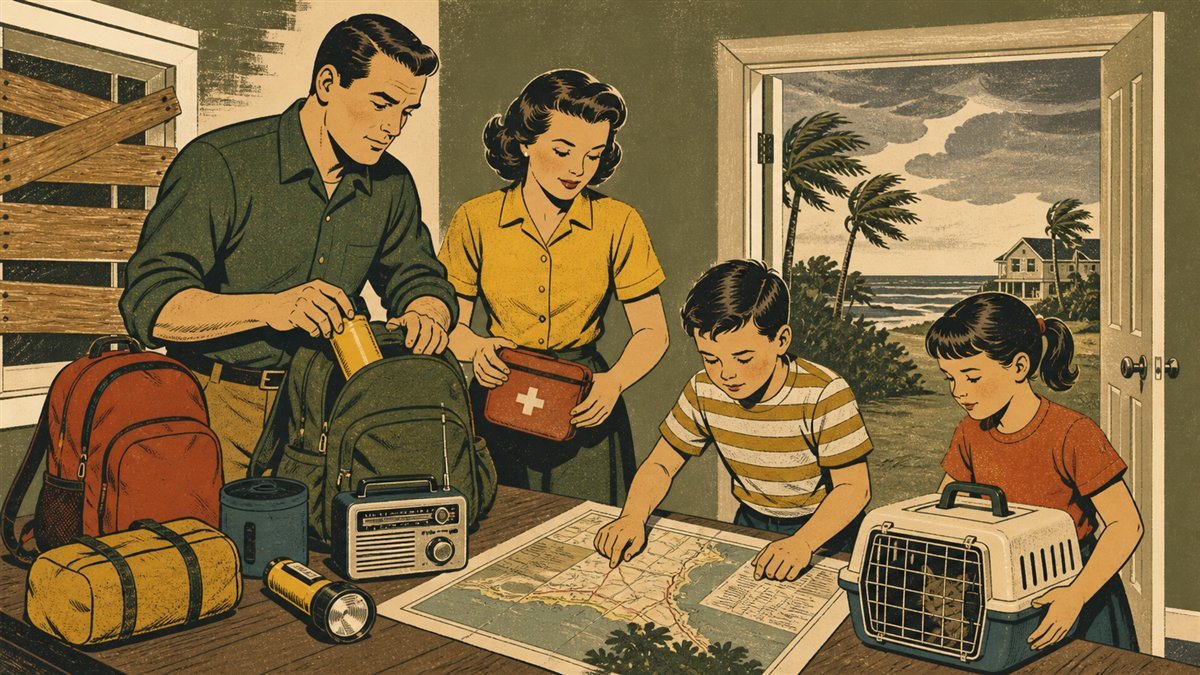
Prepare for hurricanes using official forecasts, evacuation zones, alerts, supplies, safe shelter, generator rules, floodwater caution, and a return plan.
The average American household has less than 3 days of food and less than 1 day of water on hand. FEMA recommends 72 hours minimum. Serious preppers plan for 30 days to 1 year. The gap between those numbers is where most people find out how prepared they actually were.Don't be most people.
Build a Go-Bag ▶Preparedness scales. Start at the bottom rung, climb at your own pace. Every tier is something — none of it is all-or-nothing.
72-hour basics in place.
2 weeks self-sufficient.
Genuine resilience.
Long-term preparedness.
Rough envelopes — your exact numbers depend on family size, location, and which categories you prioritize.
Physical references stay useful when batteries, mobile service, or the internet are unavailable.
We earn a commission if you buy through these links — it doesn't change the price. Full disclosure.
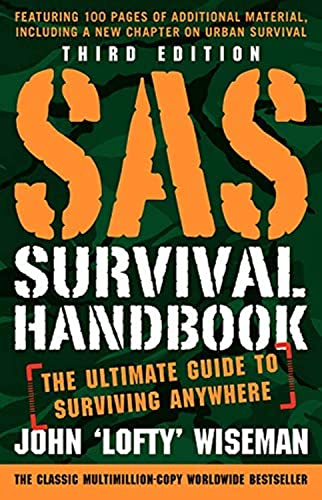
by John 'Lofty' Wiseman
A physical reference for offline preparedness. Check the current edition and contents before buying.

by Dave Canterbury
A physical reference for offline preparedness. Check the current edition and contents before buying.
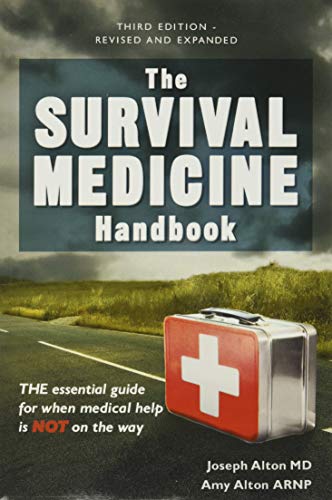
by Joseph & Amy Alton
A physical reference for offline preparedness. Check the current edition and contents before buying.
Public-domain survival PDFs. Free to download, print, and stash offline. No signup.
FEMA
Before, during, and after an earthquake: practical household preparation and recovery steps.
FEMA / Ready.gov
Comprehensive household planning, supplies, evacuation, shelter, recovery, and hazard guidance.
FEMA / Ready.gov
Current fillable card for contacts, meeting places, evacuation routes, and medical information.
U.S. Department of Agriculture
Science-based reference for safe home food preservation. Seven verified guides.
Real questions from real people who are just getting started. No judgment, no jargon.
No. FEMA recommends every household keep at least 72 hours of food and water on hand — that's standard government advice, not a fringe position. Most people who prep are quietly preparing for the same boring stuff: hurricanes, blizzards, multi-day power outages, job loss. The "paranoid bunker" stereotype is loud but rare.
5 Things To Prepare Today ▶Because many of the people building advanced AI say it could become a societal-scale risk alongside pandemics and nuclear war. For a household, an AI crisis would most likely look familiar: infrastructure outages, disrupted payments and supply chains, an outbreak, or a flood of convincing fake messages. The same water, food, and plan cover most of it. Add an analog fallback and a family verification code word.
AI Risk Preparedness ▶Less than you think. Real starter coverage — water for two weeks, two weeks of shelf-stable food, a basic kit — runs under $100 for one person, under $200 for a small family. After that it scales with your budget and goals.
See the cost ladder above ▶Yes. Water is the only category where storage space really matters, and even there a couple of stackable 5-gallon jugs in a closet covers most of what you need. Food, medical, comms, and security all fit in a single tote. Bunkers are optional — and frankly, usually a waste of money.
Grid-Down Water Storage ▶No. Plenty of preppers don't own firearms. Good locks, motion lights, neighbors who know your name, and a basic non-lethal defense plan get you most of the way. If you do choose to own one, training matters more than the hardware.
Non-Lethal Security Options ▶They change the math but not the approach. Pets need their own water and food set aside; kids need familiar comfort items in the bag; older family members on prescription medications need a 30-day buffer and a plan for refrigerated meds during outages. Start with the kit, then layer in the specifics.
Managing Chronic Conditions in a Grid-Down World ▶Frame it as the boring version: "FEMA wants every household to have 72 hours of supplies. We're not even there yet — let's fix that this weekend." Skip the bunker talk, skip the worst-case scenarios. The 72-hour kit is uncontroversial and gets the first foot in the door.
The 72-Hour Bug-Out Bag ▶Before hurricane season starts on June 1, not when a storm enters the forecast cone. Once a watch is issued you have roughly 48-72 hours before conditions arrive — barely enough time to fill a gas tank and withdraw cash, let alone buy a generator or plywood that's already sold out.
Hurricane Preparedness Checklist ▶You can survive 3 weeks without food. You can't survive 3 days without water. Every survival plan starts here. No exceptions, no excuses.
Water Guides ▶Gear gets lost, stolen, and runs out. Skills don't. The best preppers invest as heavily in knowledge as in equipment. This site is your vault.
All Guides ▶No one survives alone long-term. Building a network of prepared neighbors is more valuable than any single piece of gear. Lone wolves don't last winters.
Security Guides ▶Compare practical equipment categories, then verify current specifications, safe-use instructions, price, and availability before buying.
We may earn a commission if you buy through these links — it doesn't change the price. Listings are starting points, not substitutes for checking current specifications and suitability. Full disclosure.

A compact personal-filter example. Verify current contaminant claims, service life, cleaning steps, and freeze precautions for the exact model.
⚠ Affiliate link — we earn a small commission at no extra cost to you.

A packaged emergency-food example. Check current calories, serving definitions, allergens, preparation water, shelf-life conditions, and package date.
⚠ Affiliate link — we earn a small commission at no extra cost to you.

An emergency-radio example. Confirm local alert reception, charging methods, battery replacement, and current model instructions.
⚠ Affiliate link — we earn a small commission at no extra cost to you.