AI Risk Preparedness: How an AI Crisis Could Unfold and What to Do
A plain-language guide to AI alignment risk: how a crisis involving advanced AI could reach your household, what prepping can and cannot do, and the steps to take now.
Read Guide ▶
44 guides covering every aspect of emergency preparedness, from hurricanes and grid failure to nuclear conflict, solar storms, and AI risk. Difficulty levels from Recruit (anyone can do this today) to Wasteland Veteran (advanced, dedicated preppers).
Recruit = brand new ·Survivor = ready for 2 weeks ·Bunker Dweller = ready for months ·Wasteland Veteran = long-term resilience
A plain-language guide to AI alignment risk: how a crisis involving advanced AI could reach your household, what prepping can and cannot do, and the steps to take now.
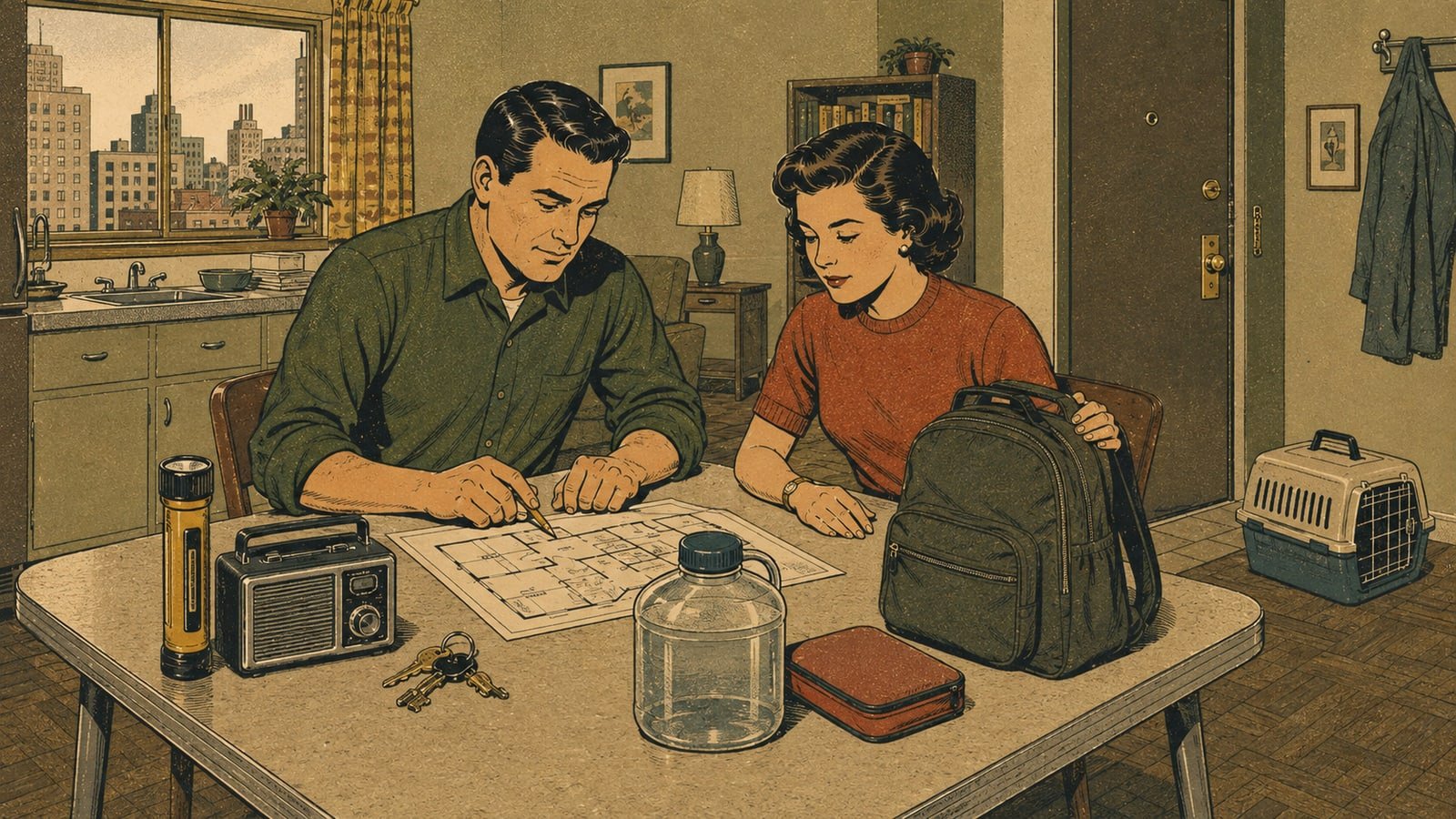
Make a practical apartment emergency plan for fires, outages, evacuation, limited storage, shared building systems, roommates, pets, and access needs.
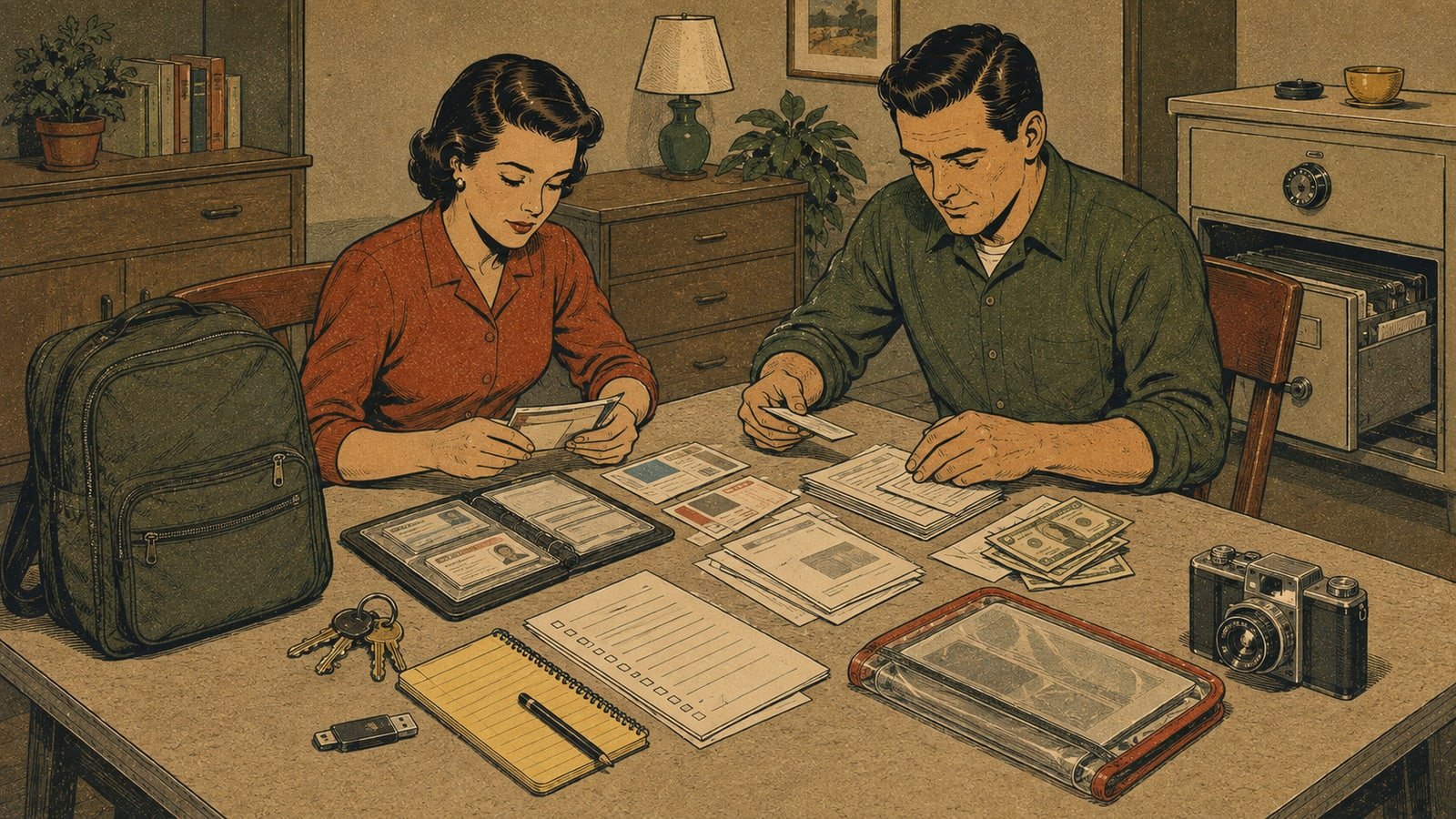
Organize identification, insurance, housing, medical, legal, and account records; protect copies; plan payment backups; and document losses safely.
Set up a safe emergency toilet and handwashing station, contain human waste, protect food and water, and know when plumbing or sewage makes a home unsafe.
Make a practical household emergency plan with meeting places, contacts, evacuation routes, shelter decisions, individual needs, and a short practice drill.
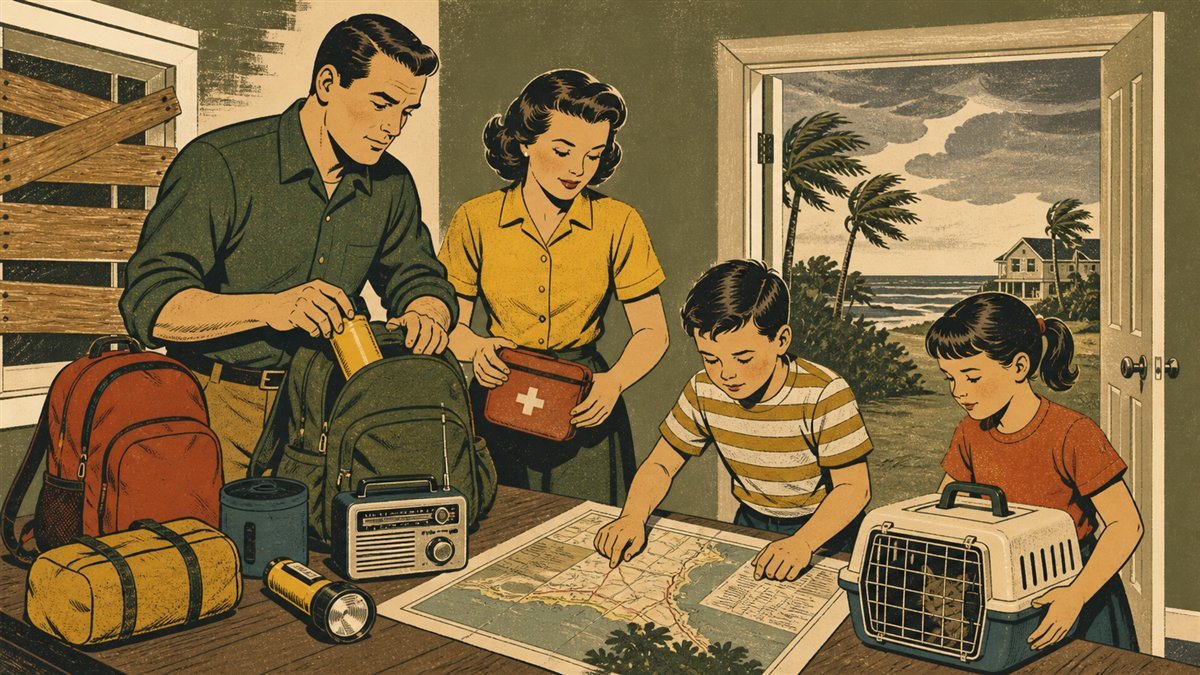
Prepare for hurricanes using official forecasts, evacuation zones, alerts, supplies, safe shelter, generator rules, floodwater caution, and a return plan.
Start emergency preparedness today with water, food, a go-bag, communication, and protected documents tailored to your household and local hazards.
The most useful antibiotic classes, what infections they treat, and the clinical decision framework for when professional care isn't available.
Diabetes, heart disease, hypertension, and other conditions require specific prep. The guide for people with ongoing medical needs.
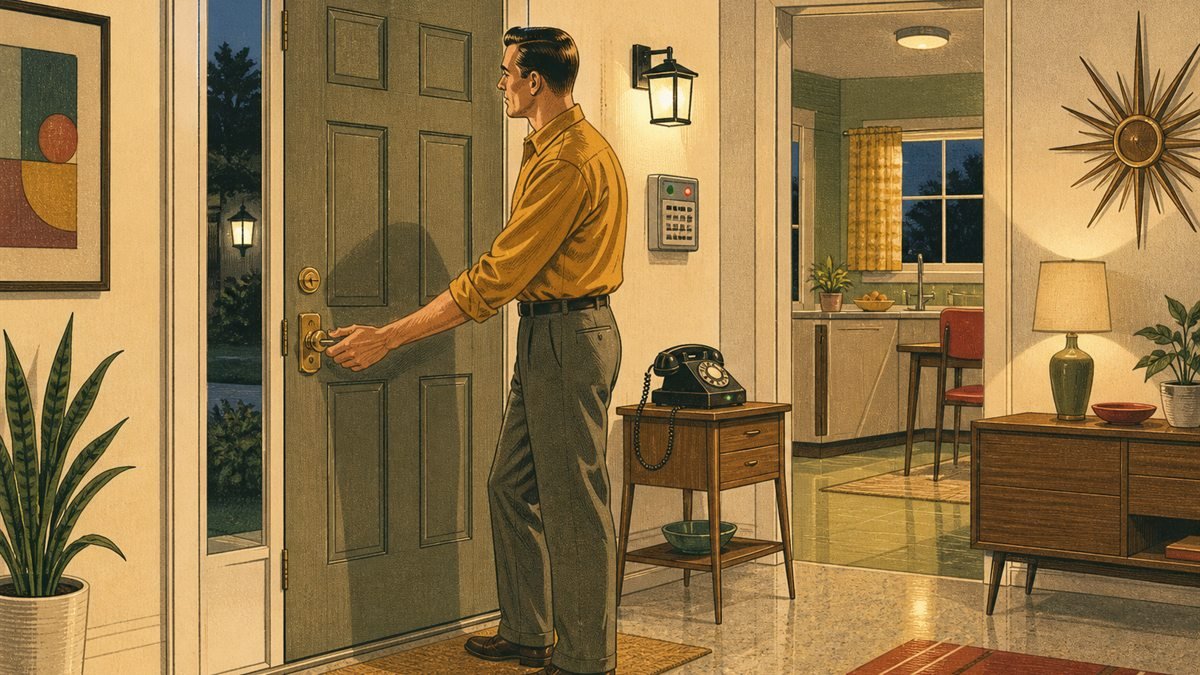
Layer home security around deterrence, detection, delay, communication, and escape; assess pepper spray, alarms, cameras, and barriers without assuming any tool is harmless.
Toothache, broken tooth, lost filling, abscess. What you can manage at home, what you can't, and the dental supplies worth keeping.

A safety-first guide to firearm training, secure storage, lawful ownership, maintenance, and deciding whether a firearm belongs in your preparedness plan.
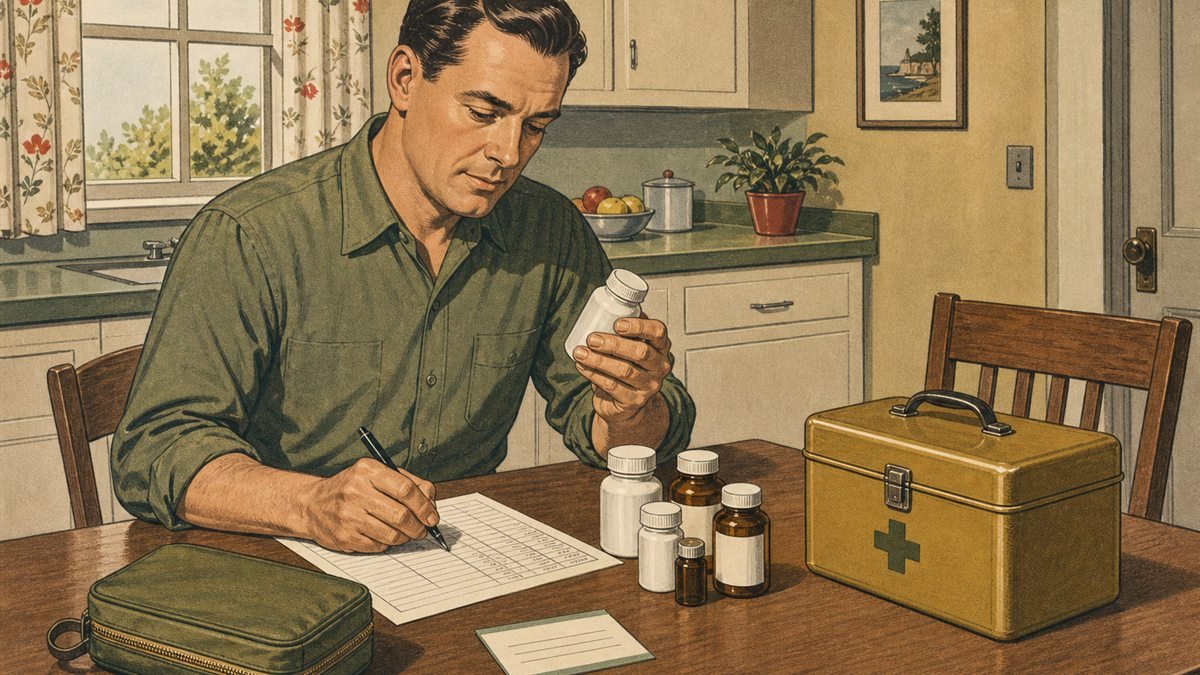
Build a lawful emergency medication plan with refill questions, a current medicine record, safe storage, rotation, and condition-specific backups.
Maintain lawful, low-risk perimeter awareness with lighting, visible boundaries, local alarms, neighbor check-ins, and an emergency response plan.
Build a neighbor network for alerts, welfare checks, skills, supplies, and mutual aid while respecting privacy, boundaries, and official response plans.
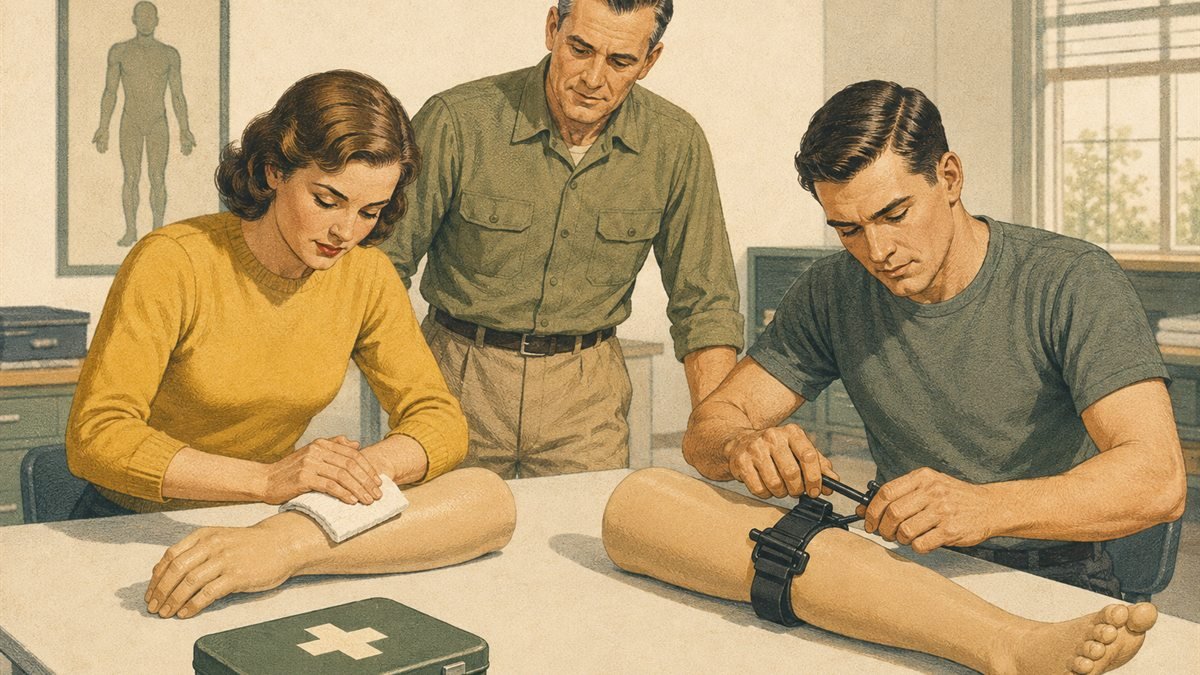
The three things that kill people fastest in a trauma emergency. How to address each with limited supplies and no paramedics incoming.
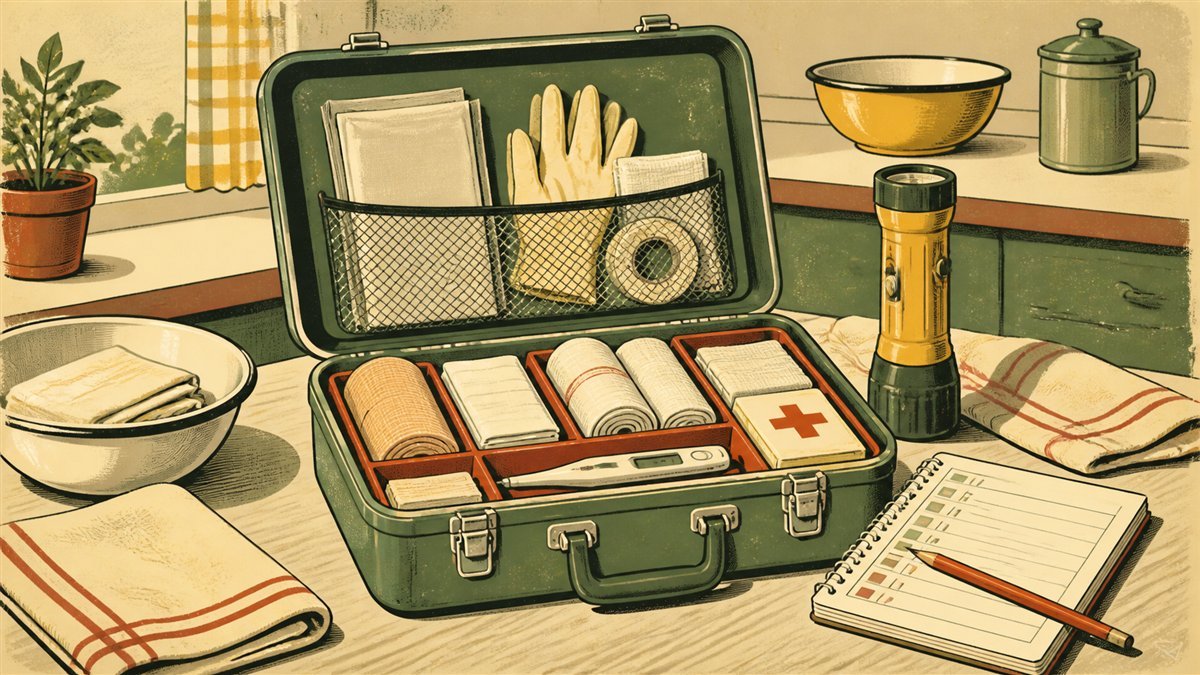
Build a household emergency medical kit by skill level, with a practical checklist, training limits, medication records, and rotation steps.
Protect household privacy without isolating yourself: reduce oversharing, secure accounts and devices, manage deliveries, and share plans deliberately.
Package suitable low-moisture staples in barrier bags and food-grade buckets while avoiding botulism, infestation, seal, and shelf-life mistakes.
Plan a resilient food garden using local planting guidance, realistic yields, soil tests, crop diversity, seed storage, water, and practiced growing skills.
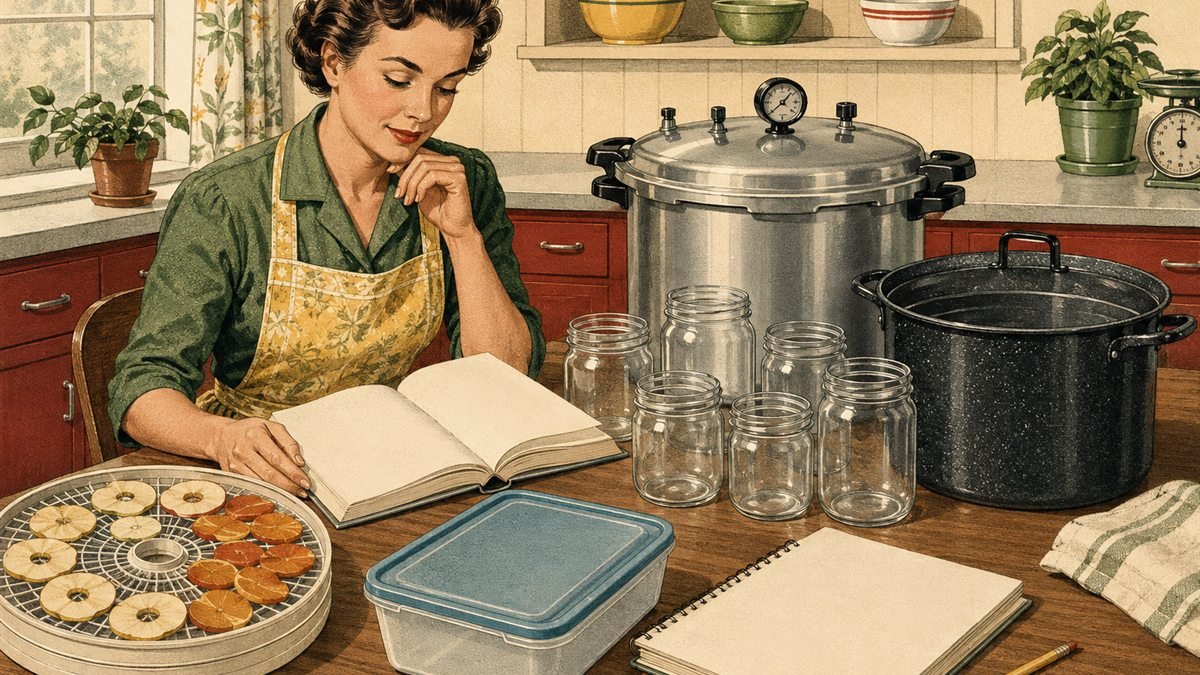
Use tested home-canning recipes, dehydrate and freeze foods safely, recognize botulism risks, and choose the right preservation method for each food.
Understand EMP and geomagnetic risks, avoid misleading DIY tests, prioritize ordinary outage resilience, and evaluate shielding claims realistically.
Compare emergency-food formats by water and fuel needs, storage conditions, allergens, nutrition, rotation, packaging, and manufacturer shelf-life guidance.
Get licensed, choose lawful amateur-radio equipment, join local nets, build a tested power and antenna plan, and communicate clearly during emergencies.
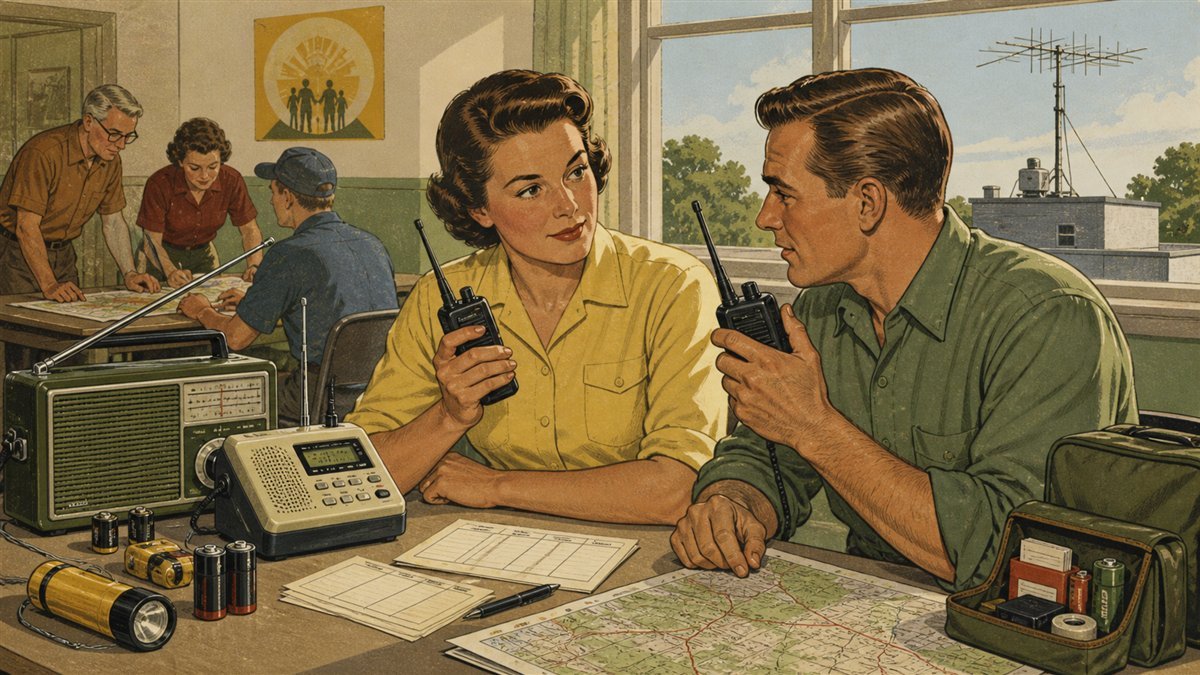
Build a lawful communications ladder using alerts, weather radio, FRS, GMRS, amateur radio, satellite devices, and practiced meeting points.
Estimate household emergency food needs without assuming one calorie target fits everyone, then plan nutrition, allergies, water, cooking, and rotation.
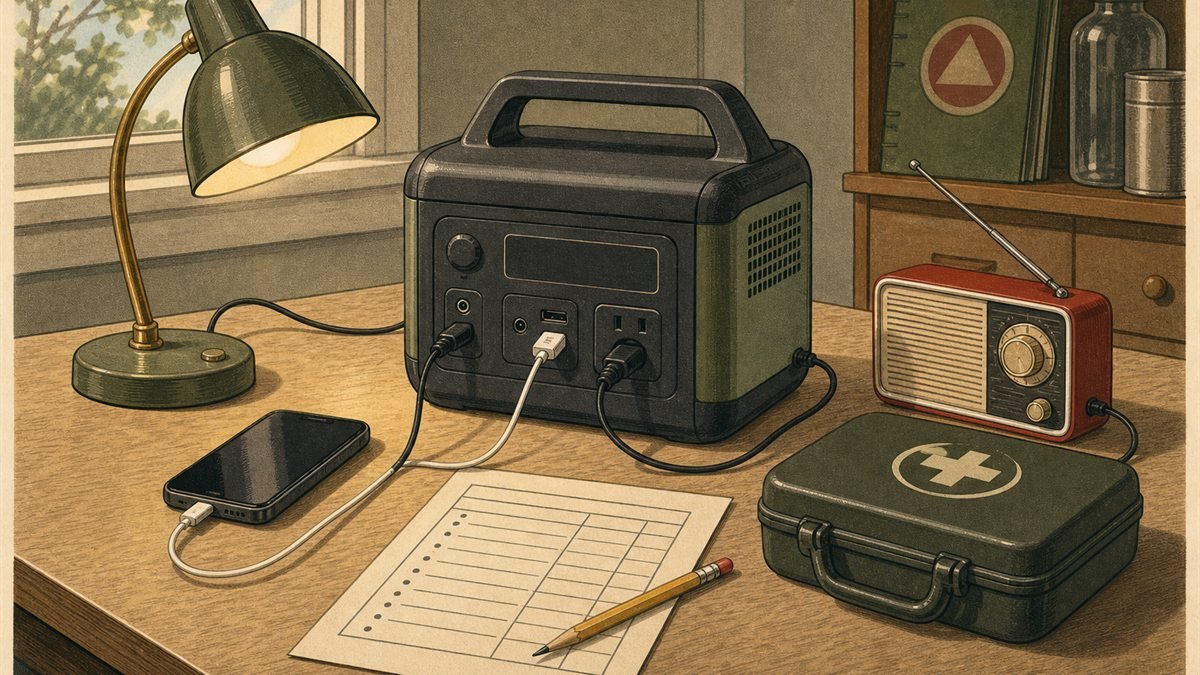
Calculate emergency battery runtime, check surge and charging limits, protect medical and food-storage loads, and use lithium power stations safely.
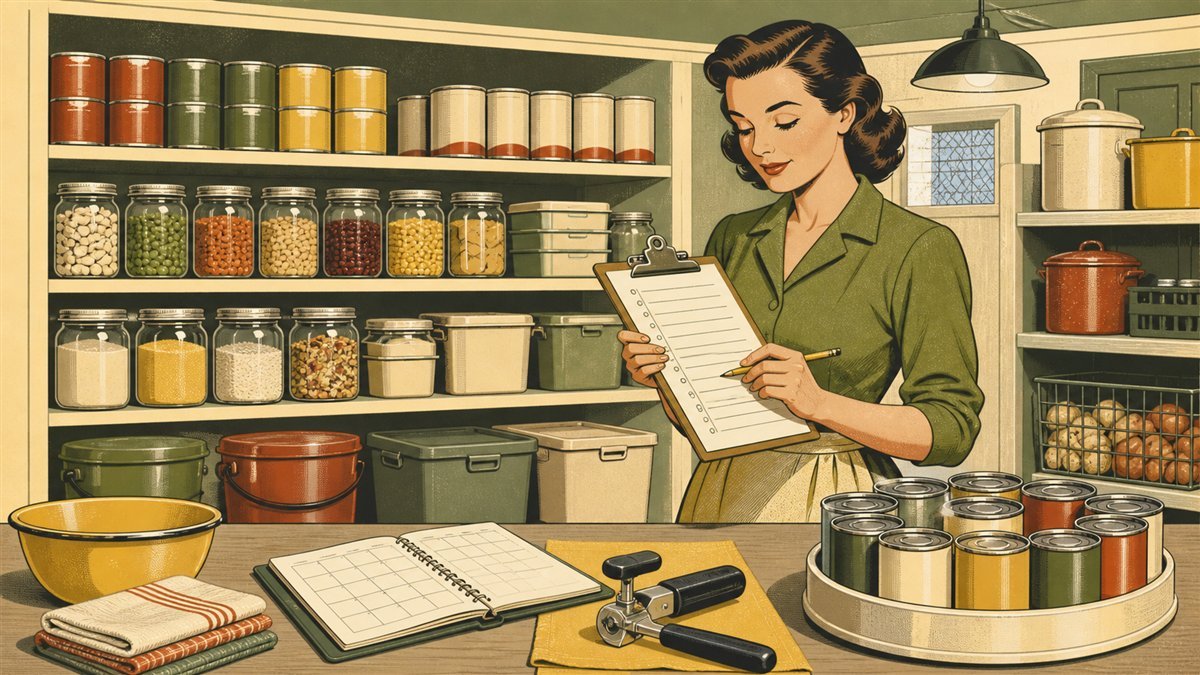
Build a rotating long-term pantry from foods your household eats, with nutrition, allergies, water, cooking fuel, storage conditions, and food safety included.
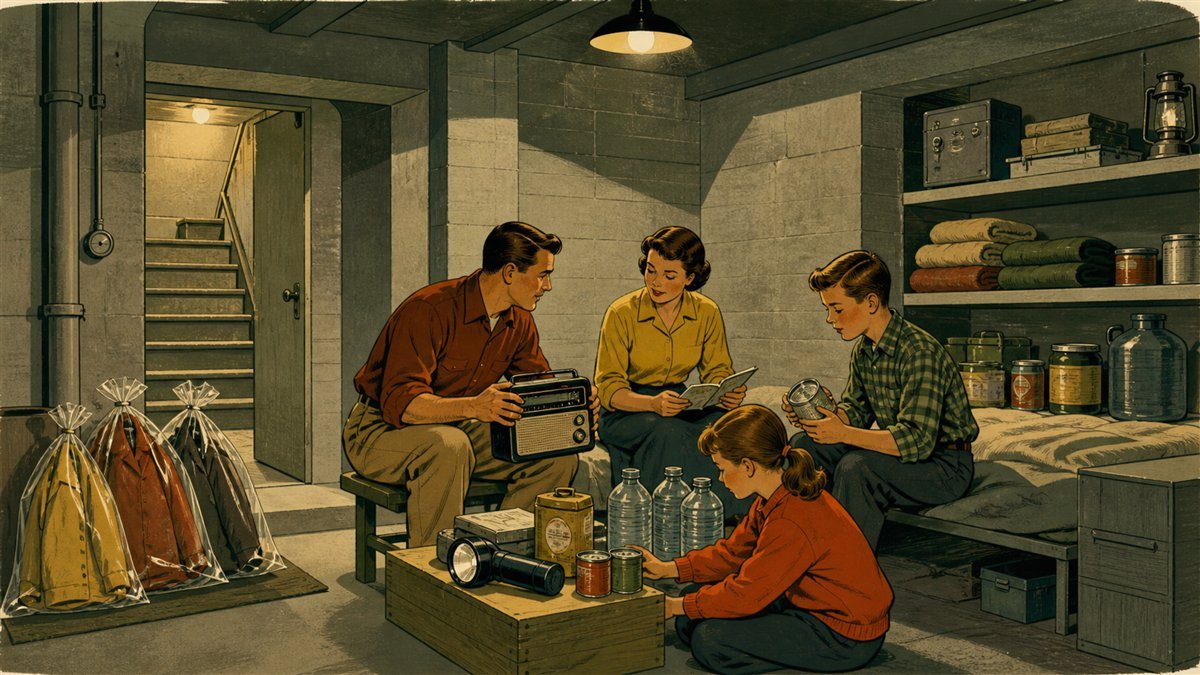
Know how to get inside, stay inside, remove fallout contamination, follow official information, and use potassium iodide only when authorities direct.
Measure critical loads, model seasonal solar production, size panels and storage, and distinguish portable backup from code-compliant home solar systems.
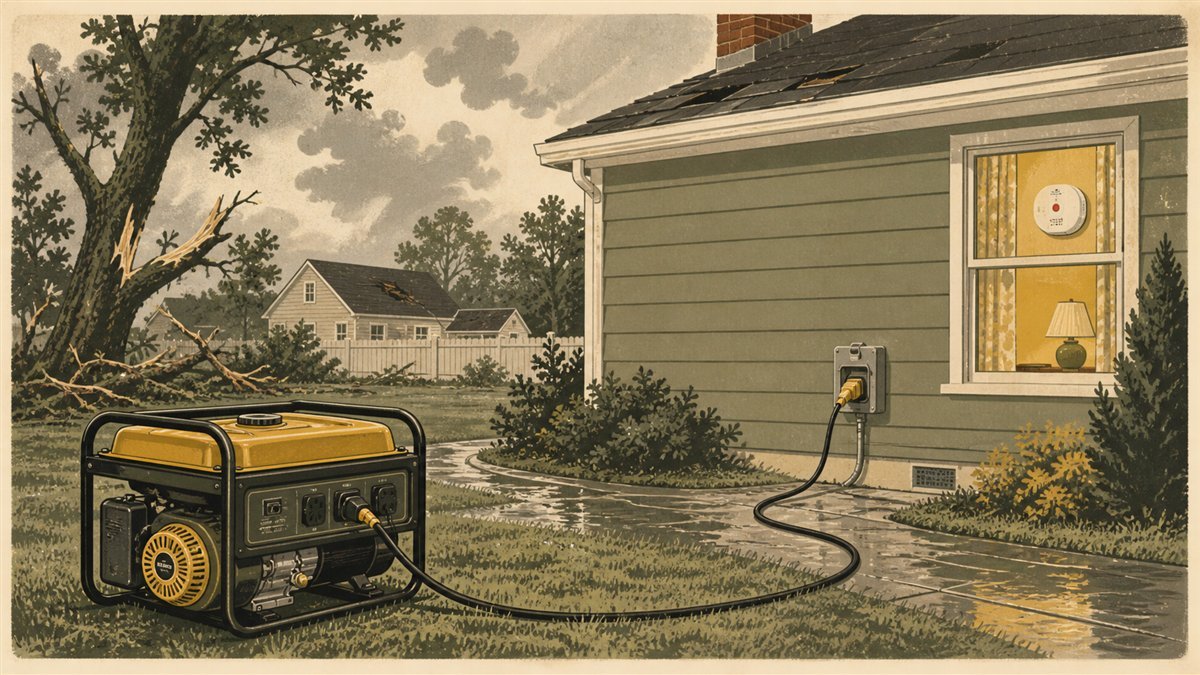
Measure critical loads, work through generator sizing, choose a safe connection method, and prevent carbon-monoxide, backfeed, shock, and fuel hazards.
Compare FEMA safe rooms with engineered underground shelters, and understand flood, soil, ventilation, egress, structural, and permit requirements.
Choose safe evacuation destinations and routes using real hazard maps, accessibility, permission, communications, supplies, and official evacuation guidance.
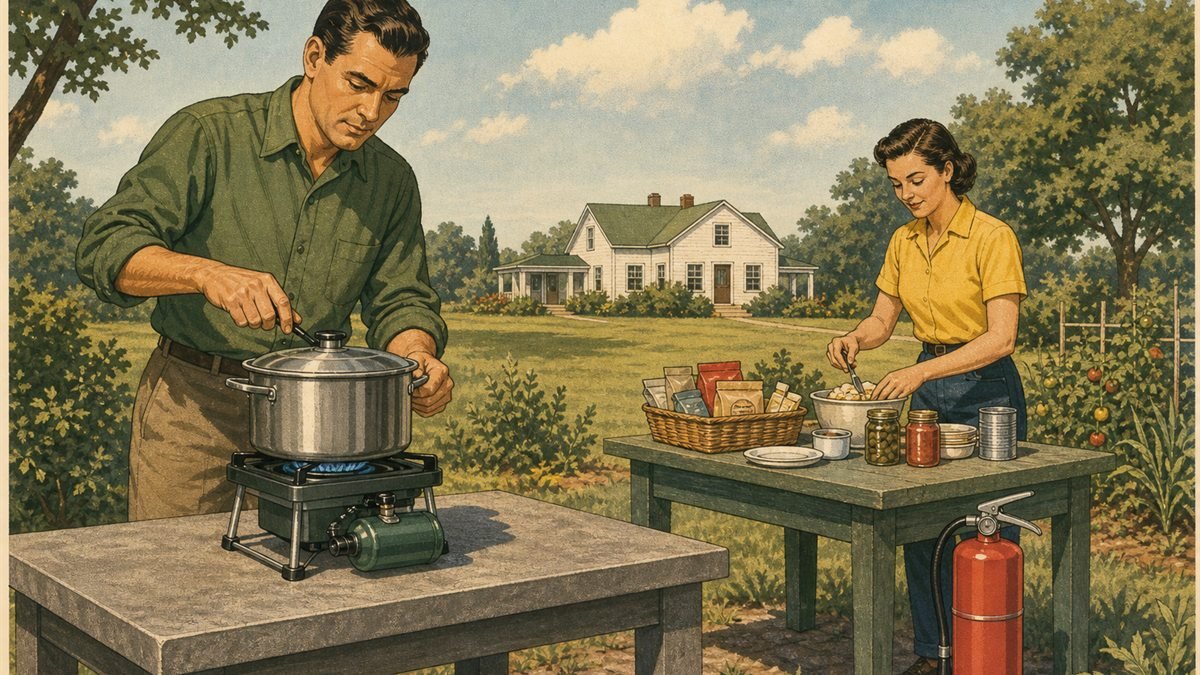
Plan no-cook meals and outdoor cooking, manage fuel safely, prevent carbon-monoxide poisoning, and protect food during a prolonged power outage.
Assess doors, windows, alarms, fire escape, weather refuge, accessibility, and safe rooms without creating traps or blocking emergency responders.
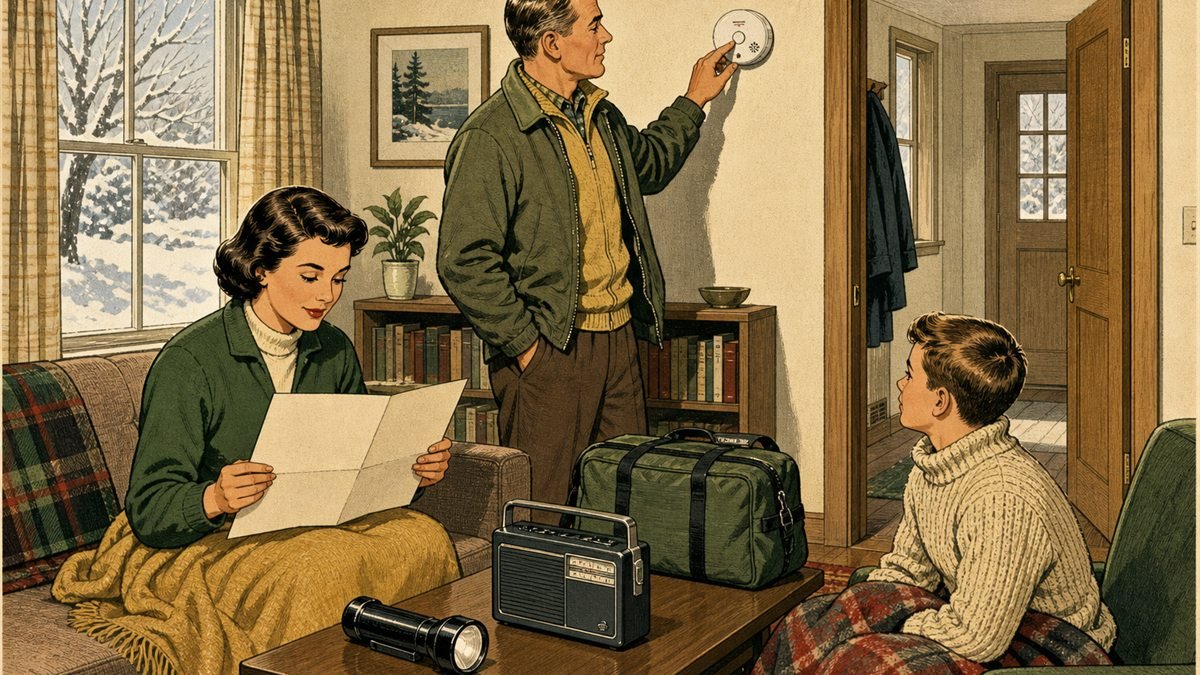
Reduce heat loss, use approved backup heat safely, prevent carbon-monoxide poisoning, protect pipes, and know when to move to a warming center.
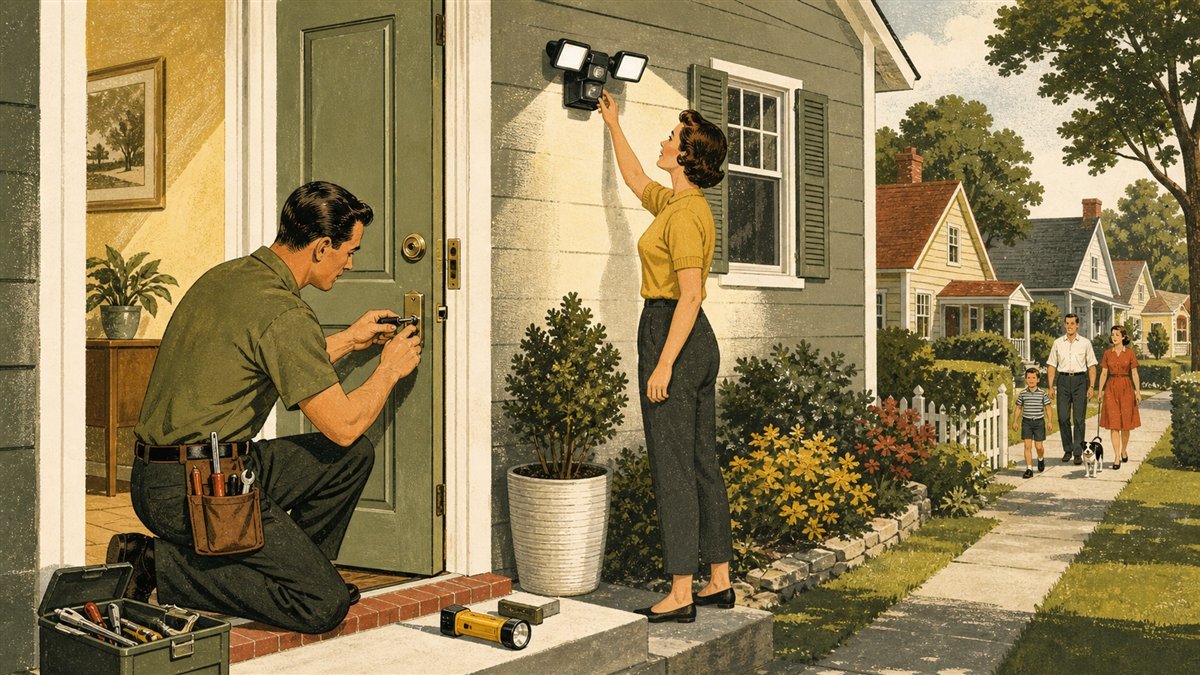
Improve doors, windows, lighting, alarms, escape routes, and everyday habits with a safety-first home-security assessment that works during outages.
Plan safe backup power or manual access for a private well, test water correctly, and respond to flooding without risking shock, fire, or contamination.
Learn how to locate lower-risk water outdoors, avoid chemical and algal hazards, and treat backcountry water using current CDC guidance.
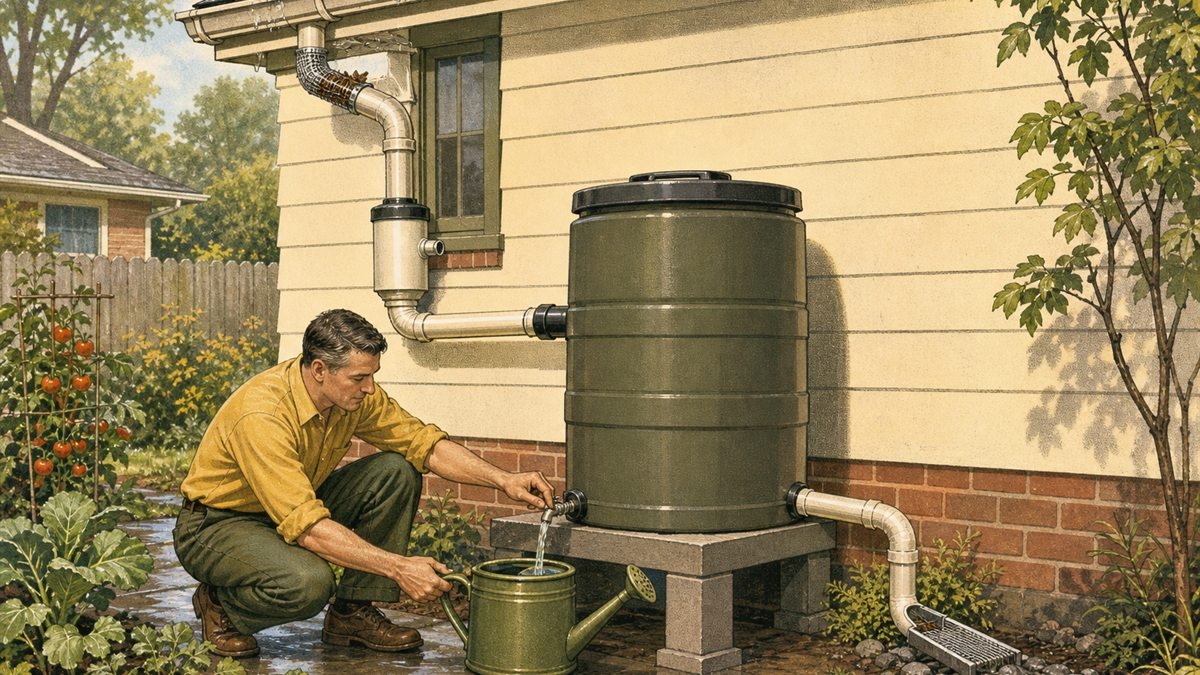
Plan a legal rainwater system, estimate collection, control debris and mosquitoes, and decide when testing and treatment are needed for safe use.
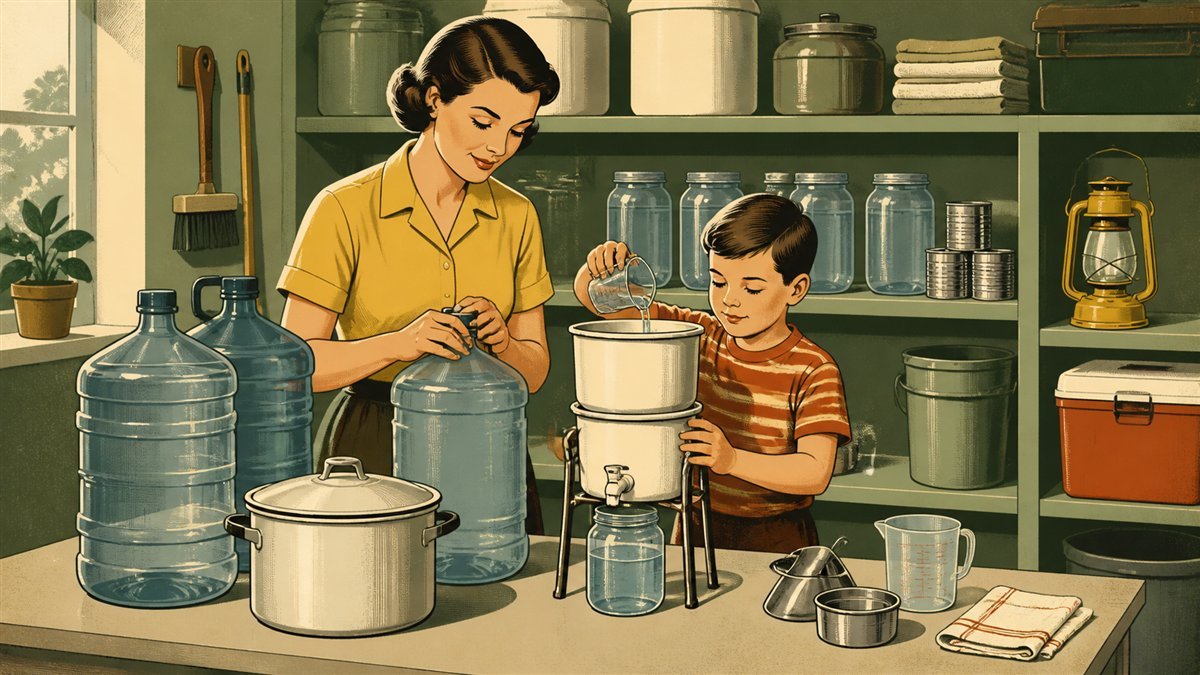
Calculate an emergency water goal, choose food-grade containers, sanitize them correctly, and store and rotate household water safely.
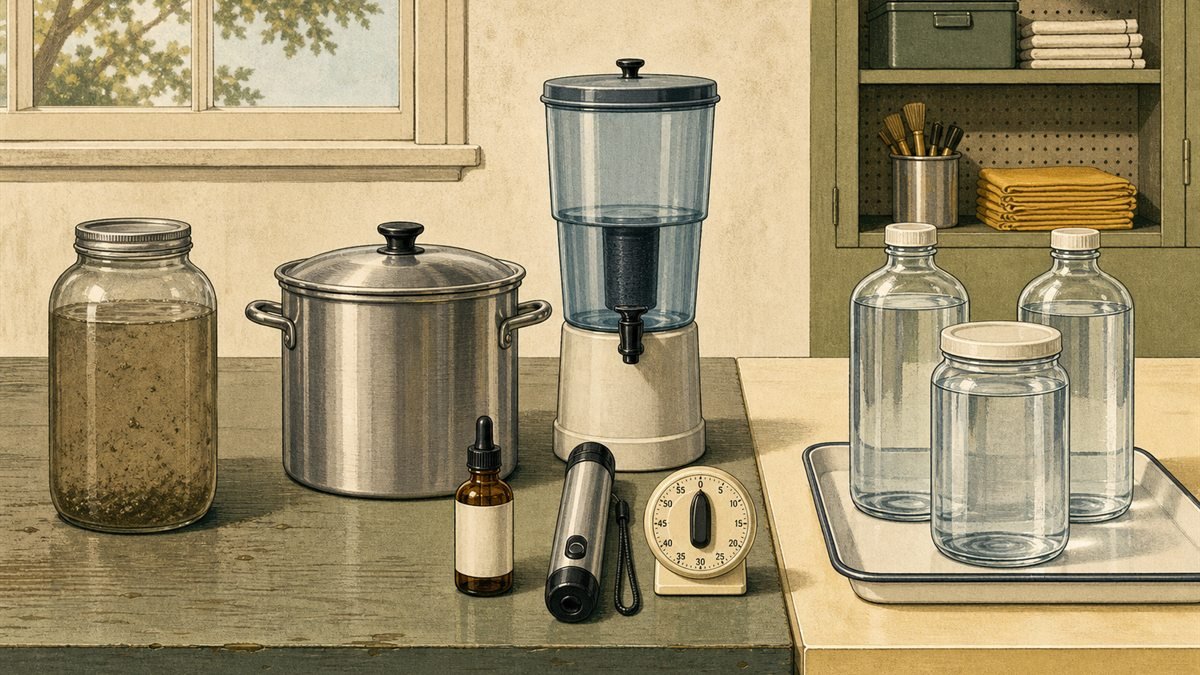
Compare boiling, filters, disinfectants, UV, and distillation so you can choose a safe emergency water-treatment method for the actual hazard.
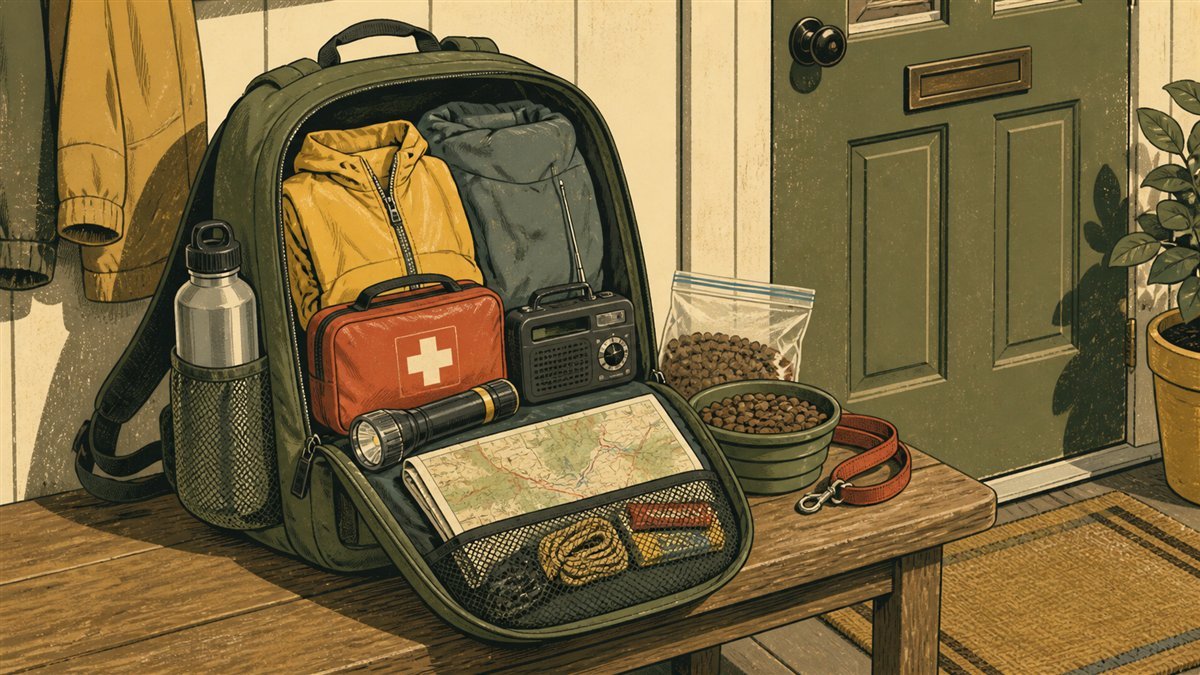
Build a practical 72-hour go-bag around your evacuation plan, climate, health, mobility, pets, documents, water, shelter, and communications.
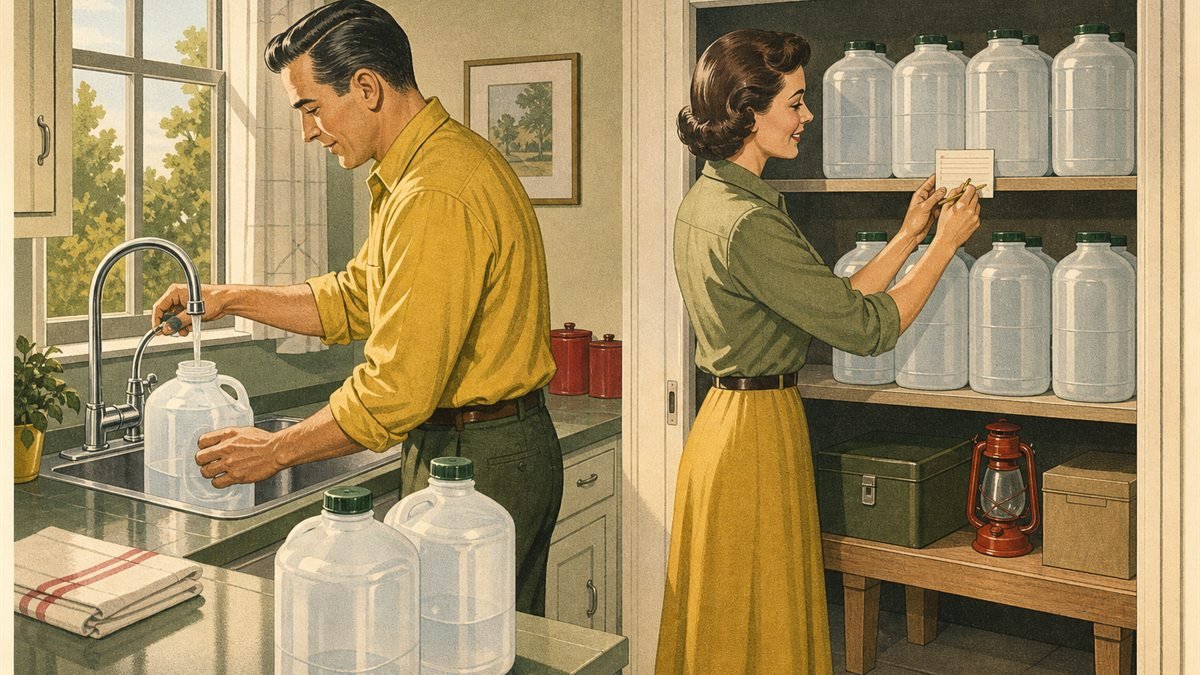
Respond safely to a water outage: follow utility alerts, capture water in sanitized containers, inventory household sources, and avoid contamination.