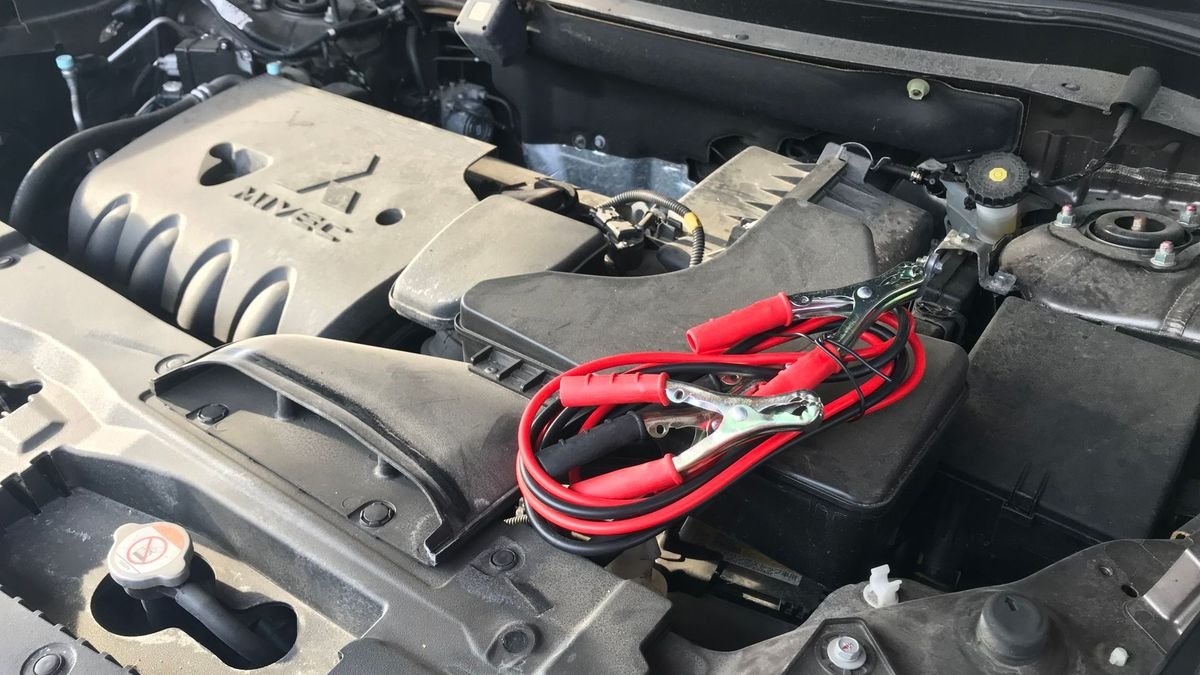
Most emergencies away from home happen in or near a car: a dead battery, a flat tire, a closed highway, or a snowstorm. A small kit in the trunk turns most of these from scary into annoying. You can build one in an afternoon, and most of it you may already own.
This guide follows the CDC, Ready.gov, and the National Weather Service.
The Short Version
Keep this in your car all year:
- Phone charging cable and a charged power bank
- Jumper cables or a portable jump starter
- A flashlight or headlamp, with spare batteries
- Reflective warning triangles
- A basic first-aid kit
- Water and snacks that keep (granola bars, nuts)
- A blanket and a spare warm layer
- A paper road map of your area
- A tire inflator or tire sealant, and a spare tire with air in it
Add this for winter:
- Ice scraper and a small shovel
- Sand or cat litter for traction
- Hats, gloves, and extra blankets
- Tire chains, if you drive where they may be required
Do this today:
- Check the air in your spare tire. Many people find it flat when they need it.
- Learn where your jack and lug wrench are, and watch a video on changing a tire for your car.
- Save your roadside assistance number in your phone (insurance, car maker, or auto club).
- Keep your gas tank at least half full in winter and before storms.
What to Buy
Portable Jump Starter
Starts a dead battery without needing another car. Lithium packs dislike extreme heat and cold, so check the maker's storage temperatures and recharge it every few months.
⚠ Affiliate link — we earn a small commission at no extra cost to you.
12V Portable Tire Inflator
Plugs into your car to top up a low tire. The right pressure is on the sticker inside the driver's door, not on the tire.
⚠ Affiliate link — we earn a small commission at no extra cost to you.
Reflective Warning Triangles
Help other drivers see you when you're stopped on the roadside. Set them up behind your car, as the instructions show.
⚠ Affiliate link — we earn a small commission at no extra cost to you.
Roadside Emergency Kit
A quick way to get started. Check what's inside, then add water, snacks, a blanket, and any medicine you need.
⚠ Affiliate link — we earn a small commission at no extra cost to you.
Keep everything in one bag or bin so it doesn’t roll around. Check the kit twice a year, for example when the clocks change.
If You Break Down
- Get off the road if you can. Use your turn signal and pull as far right as possible, or onto an exit.
- Turn on your hazard lights once you’re stopped.
- Decide where it’s safer to wait. If you can get well away from traffic, such as behind a guardrail, do that. If you’re stuck on a busy highway shoulder and can’t, it’s often safer to stay in the car with your seatbelt on.
- Set out warning triangles behind your car only if you can do it without walking into traffic.
- Call for help: roadside assistance, or 911 if you’re in danger or blocking traffic.
- Be careful with strangers who stop. Talk through a cracked window, and ask them to call for help if you’re unsure.
If You’re Stranded in Snow
Ready.gov is clear: if you’re trapped in your car, stay inside. The car is shelter and is easier for rescuers to find than a person walking.
- Call or text for help and tell them where you are.
- Tie something bright to the antenna or door so you can be seen.
- Before running the engine for heat, clear snow from the exhaust pipe. A blocked exhaust can fill the car with carbon monoxide. Run the engine only in short bursts, crack a window slightly, and check the exhaust again each time.
- Stay warm: put on extra layers, use blankets, and huddle together.
- Move your arms and legs to keep blood flowing, but don’t wear yourself out shoveling.
- Turn on the dome light at night so rescuers can see you, but save the battery.
Don’t eat snow without melting it first; it lowers your body temperature.
In Floods and Heat
- Floods: “Turn Around, Don’t Drown.” According to the National Weather Service, 2 feet of rushing water can carry away SUVs and trucks. Ready.gov says to stay inside your car if it’s trapped in rapidly moving water, and to get on the roof if water is rising inside it. Then call 911. See flood preparation.
- Heat: a parked car gets dangerously hot fast, even with a window cracked. Ready.gov says never leave people or pets in a closed car on a warm day. Keep extra water in the car in summer. See the extreme heat checklist.
Common Mistakes
- Carrying spare gasoline inside the car. The fumes are dangerous. Keep your tank full instead.
- A flat spare tire. Check it when you check your other tires.
- Food and water that went bad. Replace them every six months; heat shortens shelf life.
- Keeping all your medicine in the car. Heat and cold can damage it. Carry a few days of daily medicine in your bag, and follow the label’s storage rules.
- Counting on a window-breaker tool. Some cars have laminated side windows, which these tools may not break. Check your owner’s manual or the label in the corner of the glass.
- Using your phone while driving. Pull over first and follow your state’s hands-free law.
Frequently Asked Questions
What should I keep in my car for emergencies?
At minimum: a phone charger, jumper cables or a jump starter, a flashlight, a first-aid kit, water and snacks, a blanket, warning triangles, and a spare tire with air in it. Add a scraper, shovel, sand, and warm clothes for winter.
Should I stay in my car if I’m stranded in snow?
Yes. Ready.gov says to stay inside if you’re trapped in your car. Keep the exhaust pipe clear of snow before you run the engine for heat.
How often should I check my car emergency kit?
Twice a year. Replace water and snacks, check flashlight batteries, recharge the jump starter, and check the spare tire’s air.
Next steps: build a 72-hour kit for home and make a household emergency plan so everyone knows where to meet.