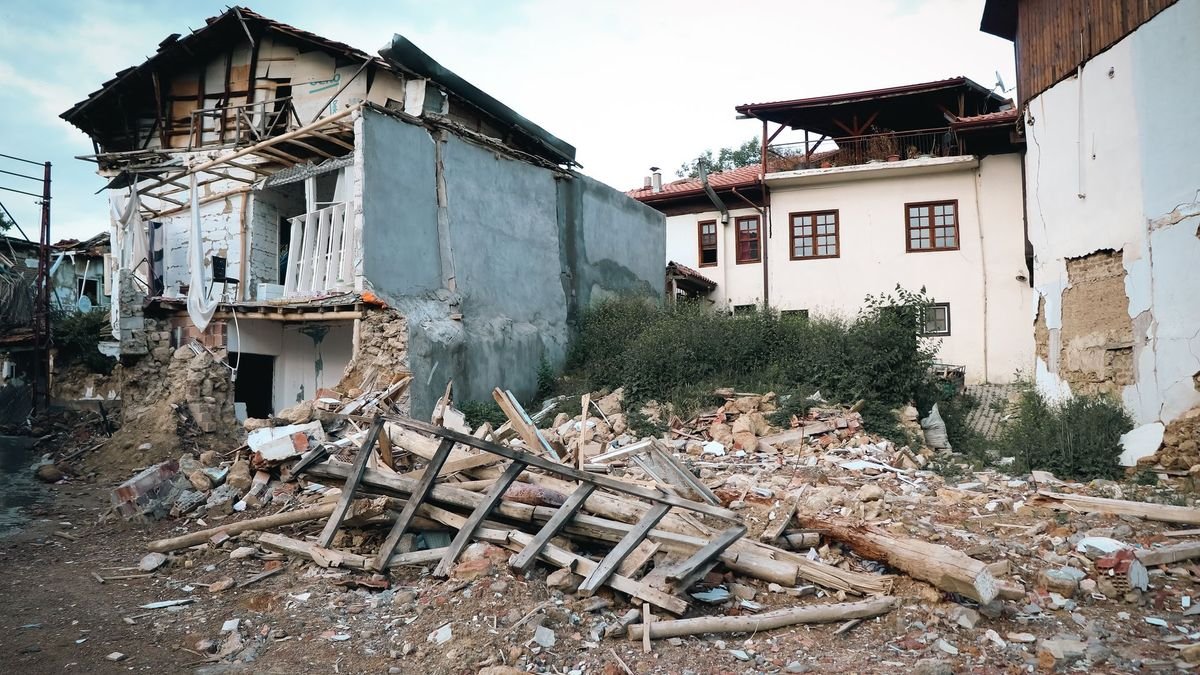
Earthquakes come without warning and the shaking usually lasts less than a minute. That means almost everything that keeps you safe happens before: securing heavy furniture, practicing one simple action, and keeping a few days of supplies. This guide follows Ready.gov and the Great ShakeOut.
The Short Version
Buy this:
- Furniture anti-tip straps for tall bookcases, dressers, and TVs
- A water heater strap kit (or have a licensed plumber install one; some areas, such as California, require strapping)
- Sturdy shoes and a flashlight to keep by each bed
- A whistle for each person
- Water (1 gallon per person per day) and food for at least 3 days
Do this this weekend:
- Strap tall furniture to the wall studs, and get the water heater strapped.
- Move heavy things to low shelves and anything heavy off the wall above beds.
- Find your gas meter, water main, and breaker panel.
- Practice Drop, Cover, and Hold On with everyone at home.
- Ask your insurer about earthquake coverage. Standard homeowner’s insurance usually doesn’t cover earthquake damage.
What to Buy
Furniture Anti-Tip Wall Straps
Helps keep bookcases, dressers, and TVs from tipping onto people. Check the weight rating and use the right anchors for your wall. Start with the bedrooms.
⚠ Affiliate link — we earn a small commission at no extra cost to you.
Water Heater Earthquake Strap Kit
Helps keep a tank water heater from tipping and breaking gas or water lines. Match the kit to your tank size and local code, or have a licensed plumber install it.
⚠ Affiliate link — we earn a small commission at no extra cost to you.
Emergency Whistle
Lets you signal rescuers if you're trapped. Keep one by each bed and in each go-bag.
⚠ Affiliate link — we earn a small commission at no extra cost to you.
Renters: use removable straps your lease allows. See apartment and renter preparedness.
During the Shaking
- Drop to your hands and knees.
- Cover your head and neck. Crawl under a sturdy table or desk if one is close; otherwise get next to an inside wall, away from windows.
- Hold On until the shaking stops.
| If you’re… | Do this |
|---|---|
| In bed | Stay there. Turn face down and cover your head and neck with a pillow. |
| In a wheelchair or using a walker | Lock your wheels, cover your head and neck, and hold on. |
| Outdoors | Move to an open area away from buildings, trees, and power lines. |
| Driving | Pull over, stop, set the parking brake, and stay in the car. |
| Near the coast | Protect yourself first. When the shaking stops, go to high ground or inland right away. |
The First Hour After
- Expect aftershocks. Drop, Cover, and Hold On again each time.
- Put on shoes before you walk anywhere. Broken glass is common.
- Check for injuries and help others. See trauma care basics.
- If the building is damaged, get out and move away from it.
- If you smell gas or hear hissing, leave, don’t use flames or light switches, and call the gas company or 911 from outside.
- If you’re trapped, text or bang on a pipe or wall so rescuers can find you. Use your whistle.
- Text instead of calling to keep phone lines open.
The Next Few Days
Water, power, and roads may be out for days. If your home is safe, stay put and use your supplies.
- Use stored water and watch for boil-water notices.
- Don’t flush if sewer lines might be broken. Use a bucket toilet.
- Follow the power outage checklist.
- Photograph damage before you clean up, for insurance.
Common Mistakes
- Running outside. Glass and bricks fall near exterior walls.
- Standing in a doorway. Modern doorways aren’t stronger than the rest of the house.
- The “triangle of life.” ShakeOut calls this advice discredited. Drop, Cover, and Hold On instead.
- Leaving tall furniture unanchored. It’s the cheapest fix and the one most people skip.
Frequently Asked Questions
What should you do during an earthquake?
Drop to your hands and knees, cover your head and neck (under a sturdy table if one is close), and hold on until the shaking stops. In bed, stay there and cover your head with a pillow.
Is a doorway the safest place in an earthquake?
No. Modern doorways aren’t stronger than other parts of the house and don’t protect you from falling objects.
Does homeowner’s insurance cover earthquakes?
Standard homeowner’s policies usually don’t. Ask your insurer about separate earthquake coverage.
Next steps: build a 72-hour kit and make a household emergency plan.